
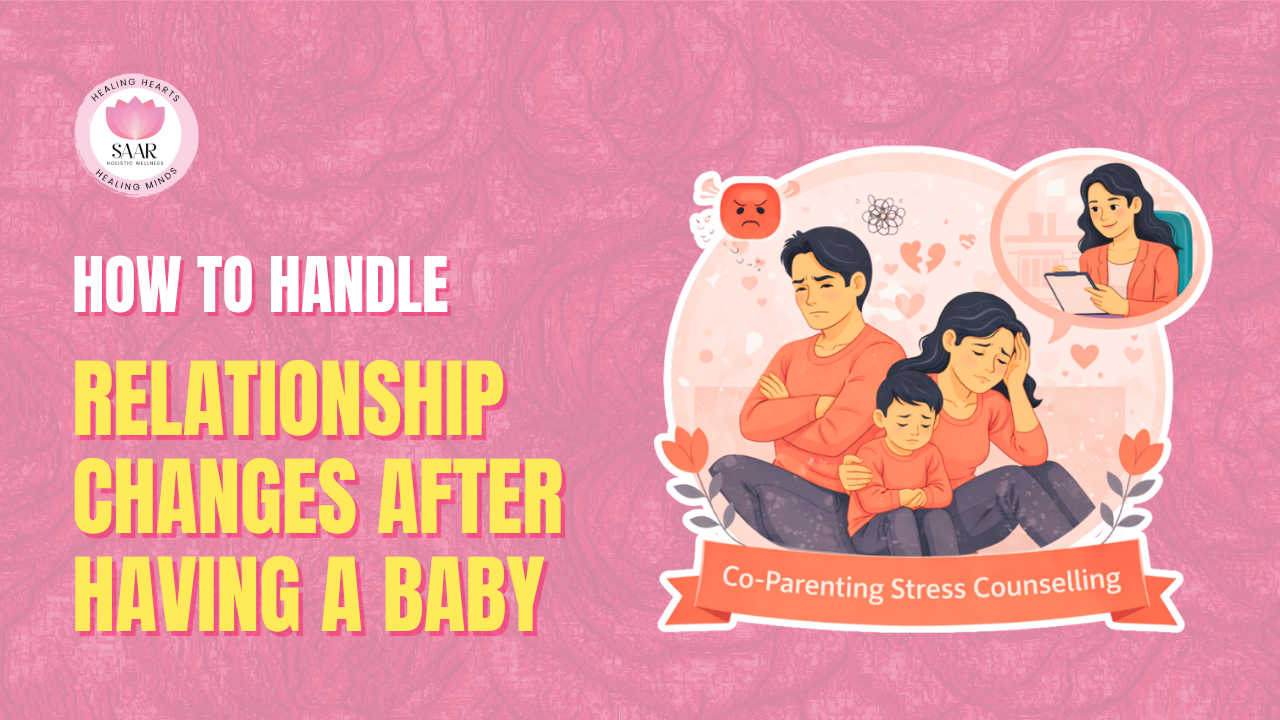
Life Changes Overnight And So Does Your Relationship
Before the baby, it was just the two of you.
Late-night conversations, shared routines, spontaneous plans, quiet moments together.
After the baby arrives, everything shifts.
Suddenly, sleep is broken. Conversations are rushed. Emotions run high. And many couples quietly start wondering:
- Why do we argue more now?
- Why do we feel distant?
- Why doesn’t my partner understand what I’m going through?
If you’re searching for how to handle relationship changes after having a baby, know this first:
- Relationship struggles after childbirth are common
- They don’t mean your marriage is failing
- They mean you’re navigating a major life transition together
This blog is a real guide for couples on understanding and handling relationship changes after having a baby without blame or guilt.
Why Relationship Changes After Having a Baby Are So Common
Having a baby doesn’t just add responsibility it reshapes roles, emotions, and expectations.
Some common reasons couples struggle include:
- Extreme sleep deprivation
- Hormonal and emotional changes (especially for mothers)
- Shift in priorities
- Reduced couple time
- Unspoken expectations
- Feeling unappreciated or unheard
Understanding why these changes happen is the first step in applying tips to handle relationship changes after having a baby effectively.
A Real-Life Scenario: “We Love Each Other, But We Keep Fighting”
Let’s talk about a situation many couples relate to.
After their baby was born, a couple noticed constant tension.
The mother felt emotionally overwhelmed and unsupported.
The father felt ignored and unsure how to help.
Small things turned into arguments:
- “You don’t help enough.”
- “You don’t understand how tired I am.”
- “We don’t talk anymore.”
Neither partner was wrong.
Both were exhausted. Both felt unseen.
What they were experiencing was relationship strain after having a baby, not lack of love.
This is exactly why couples need a guide to handle relationship changes after having a baby, not judgement.
How Relationship Roles Change After Having a Baby
One of the biggest shifts happens in identity and roles.
- A woman is adjusting to motherhood, physical recovery, and emotional changes
- A man may feel pressure to provide, support, and stay strong often silently
- Both partners may feel they’re giving more than they’re receiving
Without communication, this imbalance leads to resentment.
Recognising these changes helps couples respond with empathy instead of anger.
Tips to Handle Relationship Changes After Having a Baby
Below are practical, real-life tips to handle relationship changes after having a baby, especially for couples feeling disconnected.
1. Acknowledge That This Phase Is Hard for Both Partners
One of the most important tips to handle relationship after having a baby is admitting that this phase is difficult.
Instead of asking “Who is more tired?”, ask: “How are we both coping?”
Mutual acknowledgement reduces blame.
2. Stop Keeping Score
After childbirth, couples often start counting:
- Who wakes up more
- Who does more chores
- Who sacrifices more
This creates competition instead of teamwork.
Parenthood works best when you function as a team, not opponents.
3. Communicate Without Accusations
Instead of:
- “You never help”
- “You don’t care”
Try:
- “I feel overwhelmed and need support”
- “I miss feeling close to you”
This shift is crucial in any guide to handle relationship changes after having a baby.
4. Understand Emotional Changes After Childbirth
Postpartum emotional changes affect mood, patience, and communication.
Partners need to understand that:
- Emotional reactions may feel stronger
- Sensitivity increases
- Withdrawal doesn’t always mean rejection
Empathy during this phase strengthens the relationship long-term.
5. Create Small Moments of Connection
You may not have time for dates or long conversations and that’s okay.
Connection can be:
- Checking in emotionally
- Sitting together quietly
- Sharing one honest conversation a day
Small moments matter more than grand gestures during this phase.
6. Avoid Making Big Relationship Decisions During Exhaustion
Sleep deprivation changes perception.
One of the most overlooked tips to handle relationship struggles after having a baby is this:
Don’t make major decisions when you’re emotionally and physically exhausted.
This phase is temporary, feelings often shift once rest improves.
7. Ask for Help Before Distance Becomes Permanent
Many couples wait too long before seeking support.
Talking to a neutral professional through one-to-one relationship counselling for couples after childbirth can help:
- Improve communication
- Reduce misunderstandings
- Rebuild emotional connection
- Help both partners feel heard
Support doesn’t mean your relationship is broken it means you value it.
How One-to-One Counselling Helps Couples After Having a Baby
Our counselling sessions support couples who:
- Feel emotionally distant after childbirth
- Argue more than before
- Struggle to understand each other’s needs
- Want to reconnect as partners, not just parents
Counselling creates a safe space where both husband and wife can speak openly without blame or judgement.
A Gentle Reminder for Couples
Having a baby changes your life and your relationship.
But change doesn’t mean damage.
With understanding, communication, and support, many couples emerge stronger, closer, and more connected after this phase.
This guide to handle relationship changes after having a baby exists to remind you of one thing:
You are still partners just navigating a new chapter together.
Need Support as a Couple?
Explore our One-to-One Counselling Services for Couples After Childbirth
Because strong relationships deserve care too 🤍


