

Parenting is a journey filled with learning and discovery. For families raising children with autism spectrum disorder (ASD), that journey is layered with unique joys, challenges, and responsibilities. In India, autism is increasingly recognized, yet many parents still struggle to find timely diagnosis, inclusive education, and the emotional support they need.
This blog explores the landscape of autism parenting support in India—covering challenges, resources, and ways parents can build resilience while ensuring their children thrive.
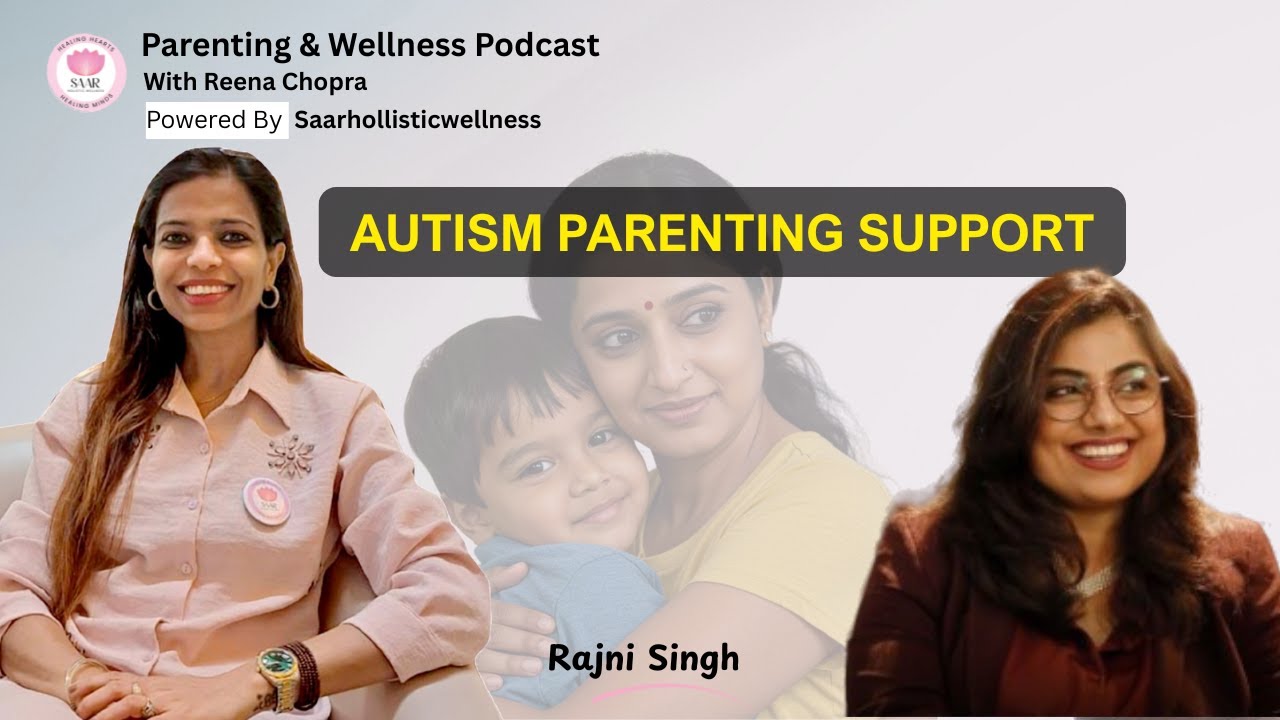
Understanding Autism in India
Autism spectrum disorder (ASD) is a neurodevelopmental condition that affects communication, social interaction, and behavior. According to estimates, about 1 in 100 children in India may be on the autism spectrum.
Key Features of Autism
- Difficulty with verbal and non-verbal communication
- Repetitive behaviors or restricted interests
- Sensory sensitivities (sounds, lights, textures)
- Strengths such as memory, attention to detail, and unique problem-solving
Challenges Faced by Indian Parents of Autistic Children
- Delayed Diagnosis
Many families consult doctors only after age 3–4 due to lack of awareness. Early intervention opportunities are often missed. - Stigma & Social Judgment
Families may face pressure, blame, or myths like “the child will outgrow it” or “bad parenting caused it.” - Limited Access to Therapies
Urban centers may have speech therapy and occupational therapy, but rural areas often lack resources. - Financial Stress
Therapy, special schools, and healthcare can be expensive, with limited insurance coverage. - Parental Burnout
Constant caregiving without breaks often leads to stress, anxiety, and emotional exhaustion.

Available Support Systems in India
1. Professional Therapies
- Speech & Language Therapy – helps children develop communication skills.
- Occupational Therapy – builds daily living and motor skills.
- ABA (Applied Behavior Analysis) – structured behavioral support.
- Special Education Programs – inclusive or special schools offering tailored learning.
2. Government Initiatives
- RPwD Act 2016 (Rights of Persons with Disabilities) recognizes autism as a disability, ensuring legal rights.
- National Trust Act provides schemes like NIRAMAYA (health insurance) and DISHA (early intervention centers).
3. NGOs & Support Groups
Organizations such as Action For Autism (AFA), NIMHANS Bengaluru, and local parent groups offer training, awareness, and counselling.
4. Online Communities
Parents connect through WhatsApp groups, Facebook forums, and specialized parenting platforms to share tips and experiences.

How Families Can Build Resilience
- Educate Yourself – Learn about autism from reliable sources to make informed decisions.
- Celebrate Strengths – Focus on what your child can do, not only challenges.
- Create Structure – Consistent routines reduce anxiety for children with ASD.
- Practice Self-Care – Parents must also take breaks, rest, and seek counselling if needed.
- Advocate for Inclusion – Push for accessible schools, workplaces, and community support.
Breaking the Stigma
Autism is not an illness to be “cured” but a condition to be understood and supported. The narrative must shift from blame and pity to acceptance and empowerment. When society views autistic children through their strengths rather than limitations, opportunities expand.
Role of Schools & Educators
- Inclusive classrooms with resource teachers and support staff.
- Teacher training to handle sensory and behavioral challenges.
- Peer sensitization programs to promote empathy and inclusion.
Role of Parenting Counselling
Parenting children with autism can feel overwhelming, but counselling provides:
- Emotional support for parents’ stress and anxiety.
- Practical strategies for managing meltdowns and routines.
- Guidance on navigating school systems and therapies.
- Hope through success stories and shared experiences.

Conclusion
Autism parenting in India is not just about caregiving—it’s about building a supportive environment where both children and parents thrive. With awareness, therapy, community, and compassion, we can transform the parenting journey from isolation to empowerment.
Every child on the spectrum has potential; what they need most is understanding and unwavering support.
Raising a child with autism can feel overwhelming, but no parent should walk this journey alone. Professional help such as parenting counselling can provide families with the emotional strength and strategies they need. Our certified parenting coach program also equips parents with advanced tools to support children on the spectrum. At a national level, organizations like Action For Autism India continue to advocate for better awareness, inclusive policies, and resources for families.