
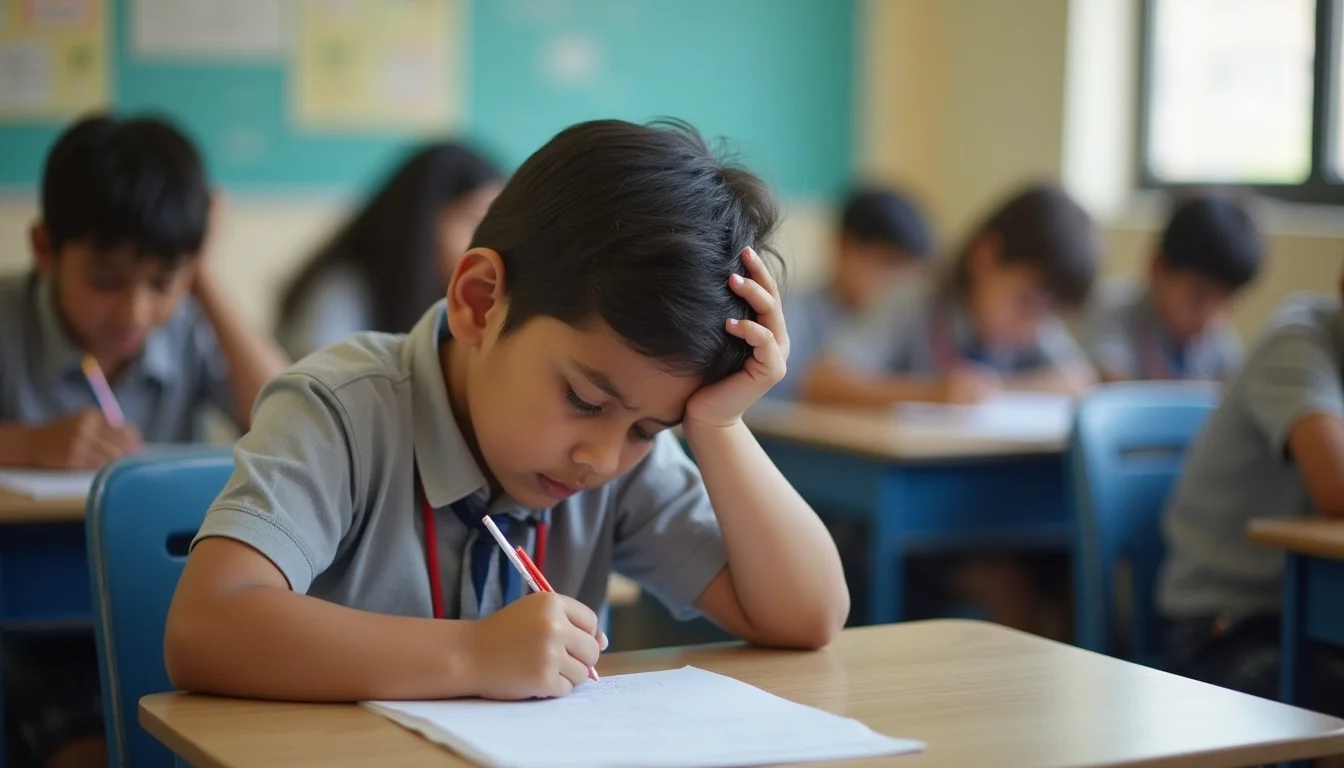
In today’s fast-paced world, children are under increasing pressure—academic competition, peer expectations, digital distractions, and family struggles often weigh heavily on their young minds. Mental health among school children is one of the most overlooked areas, yet it deeply influences their behavior, learning, and overall wellbeing.
When these emotional needs are ignored, the consequences can be devastating. A recent tragedy in Ahmedabad brought this truth into sharp focus: a Class 10 student allegedly murdered an eighth-grade boy within a school campus. The incident shook the nation, raising urgent questions about children’s mental health, school safety, and the responsibilities of parents, teachers, and society.
Why Children’s Mental Health Matters
Children today are not just facing textbooks and exams—they are navigating:
- Academic Pressure: The race for grades, scholarships, and competitive exams can create chronic stress.
- Unexpressed Emotions: Many children are taught to “be strong” or “stay quiet,” leading them to suppress anger, sadness, or fear.
- Peer Influence & Bullying: Negative peer pressure and bullying, both offline and online, can damage self-esteem.
- Technology & Isolation: Excessive screen time and social media exposure often increase feelings of loneliness and comparison.
A child struggling silently may show warning signs such as withdrawal, aggression, declining performance, or sudden mood changes. Unfortunately, without proper support systems, these signs often go unnoticed until it’s too late.
The Ahmedabad School Incident – A Case That Demands Reflection
The Ahmedabad school case is not just about one shocking act of violence—it is a symptom of deeper issues. While investigations are ongoing, the fact that a child resorted to such extreme behavior inside a school highlights multiple failures:
- Emotional Support Gaps – Was the child struggling with anger, isolation, or unresolved conflicts? Did anyone notice or intervene?
- Lack of Mental Health Infrastructure – Many schools still don’t have trained counselors who can recognize distress and provide guidance.
- Weak Safety Mechanisms – How could such an act occur within a supposedly safe environment? Schools need stronger safety and monitoring systems.
- Parental Awareness – Parents often equate good grades with wellbeing, overlooking their child’s emotional needs or early warning signs.
This tragedy forces us to ask: Are we doing enough to protect not only our children’s physical safety but also their mental health?
Schools as the First Line of Defense
Since children spend a large portion of their day in schools, educational institutions must become safe and supportive ecosystems. Steps schools can take:
- Hire Trained Counselors: Every school should employ mental health professionals who regularly interact with students.
- Introduce Emotional Learning: Beyond academics, children should be taught empathy, stress management, and conflict resolution.
- Train Teachers to Identify Red Flags: Teachers are often the first to notice behavioral changes. Training them can lead to timely intervention.
- Strengthen Anti-Bullying Policies: Strict enforcement and confidential reporting systems are essential to prevent harassment.
- Regular Mental Health Check-ups: Just like annual health check-ups, mental wellbeing screenings should be mandatory.
Parents’ Crucial Role
While schools play a significant part, the foundation of mental health starts at home. Parents can:
- Encourage Open Communication: Children should feel safe to share their feelings without fear of punishment.
- Reduce Unrealistic Pressure: Encourage effort and growth instead of perfection.
- Watch for Behavioral Changes: Sudden mood swings, violent outbursts, or extreme silence may indicate deeper struggles.
- Model Healthy Behavior: Parents’ own ways of handling stress and conflict become role models for children.
- Seek Professional Help When Needed: Counseling is not a weakness—it’s a support system, just like going to a doctor for physical health.
Society and Community Involvement
Beyond homes and schools, communities can:
- Promote Awareness: Organize workshops on children’s mental health for parents and teachers.
- Provide Support Systems: Encourage helplines and local counseling centers for children in distress.
- Monitor Digital Spaces: Communities and policymakers must work to curb cyberbullying and harmful online content.
Building a Safer, Healthier Future
The Ahmedabad incident must be treated as a warning bell, not an isolated crime. To prevent future tragedies:
- Governments should mandate mental health counselors and safety audits in all schools.
- Parents should prioritize mind health over report cards.
- Schools must balance academics with emotional education and wellbeing programs.
Ultimately, children need not just classrooms, but safe havens where they feel valued, understood, and supported.
Conclusion
Mental health is the foundation of every child’s growth. The shocking Ahmedabad school murder incident has shown us the consequences of neglecting it. As parents, teachers, and a society, we must reflect: Are we listening to our children enough?
Academic success means little if children grow up emotionally unstable, isolated, or unheard. The time has come to redefine schools—not only as centers of learning but as spaces that nurture both mind and heart. Only then can we ensure tragedies like Ahmedabad never repeat again.


