
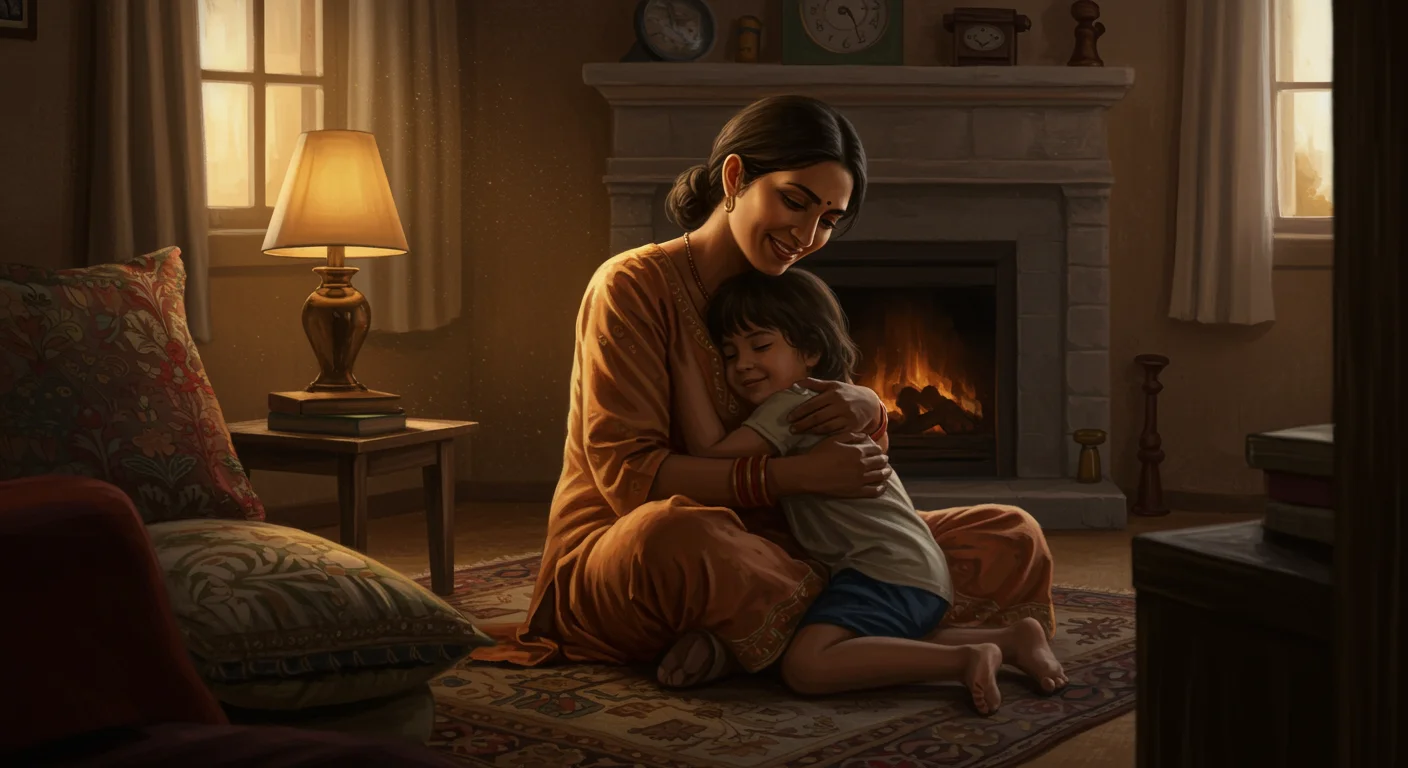
Motherhood is often described as the most beautiful phase of a woman’s life. In India, it carries deep cultural, religious, and emotional significance. From goddess figures like Durga and Parvati to countless Bollywood portrayals of the “sacrificing mother,” Indian society places mothers on a pedestal. Yet behind this reverence lies a complex reality—where societal expectations, lack of support, and personal struggles often overshadow the joy of raising a child.
This blog explores the real picture of motherhood in India—its joys, challenges, myths, and changing dynamics in the modern world.
The Cultural Lens of Motherhood
In Indian culture, a mother is considered the backbone of the family. Her identity is often tied to nurturing, sacrificing, and ensuring her children’s success. Popular phrases like “Maa ke pairon tale jannat hai” (Heaven lies at a mother’s feet) reflect the high regard.
However, this reverence often comes with unrealistic expectations:
- She must put the family’s needs above her own.
- She should maintain patience and grace, no matter the pressure.
- She is expected to “know it all” about child-rearing without formal guidance.
This cultural framing often glorifies sacrifice but rarely acknowledges the emotional and physical toll on mothers.
The Joys of Motherhood
Despite the struggles, motherhood brings profound moments of joy that Indian women cherish:
- The emotional bond and unconditional love between mother and child.
- Watching children grow, achieve milestones, and succeed.
- Experiencing a sense of purpose and legacy.
- Finding pride in being the foundation of the family.
These joys often act as the fuel that keeps mothers going, even during their most challenging days.

The Silent Struggles of Mothers in IndiaZ
Postpartum Health & Mental Well-Being
- Postpartum depression affects nearly 1 in 5 Indian mothers, but it remains underdiagnosed due to stigma and lack of awareness.
- Mothers are often told to “be strong” instead of being offered therapy or emotional support.
- Recovery after childbirth focuses more on physical rituals (jaapa, traditional confinement period) than on mental health.
Work–Life Balance
- India has one of the lowest female workforce participation rates. A major reason is career breaks after motherhood.
- Working mothers juggle office deadlines, school projects, and household responsibilities, often with little support.
- Flexible work arrangements are still rare, making the return to work harder.
Societal Pressure & Judgment
- Whether a mother chooses to breastfeed or use formula, work outside or stay at home, every decision is subject to criticism.
- Social media adds to this pressure by showcasing “perfect moms,” making ordinary mothers feel inadequate.
Financial Dependence
- Many women are forced to give up financial independence after childbirth.
- In joint families, financial decisions often rest with the husband or elders, leaving mothers without autonomy.
Lack of Institutional Support
- Government policies like maternity leave (26 weeks in India) apply only to formal sector jobs. Millions of women in the unorganized sector (domestic workers, farm laborers) do not benefit.
- Affordable daycare centers and safe childcare facilities are limited.

Myths vs. Reality of Motherhood in India
Motherhood in india
| Myth | Reality |
|---|---|
| “A good mother always sacrifices her dreams.” | A fulfilled mother raises happier children; self-care is essential. |
| “Motherhood comes naturally to all women.” | Many struggle with breastfeeding, bonding, or parenting decisions; it requires learning and support. |
| “Stay-at-home moms have it easy.” | They work long hours managing households, often without recognition. |
| “Working moms neglect their children.” | Children of working mothers grow up independent and resourceful. |
| “Mothers don’t need rest—they’re strong.” | Mothers are human beings who need sleep, emotional space, and care. |
Changing Dynamics in Modern India
Motherhood in India is evolving with urbanization, education, and technology:
- Nuclear families mean less support from elders but also more independence.
- Fathers are more involved now, from diaper duty to school runs, breaking gender stereotypes.
- Digital communities (WhatsApp parenting groups, Instagram mom bloggers) give mothers advice and solidarity.
- Healthcare awareness around prenatal and postnatal care is growing, though it needs wider reach.
This shift shows that while the traditional image of the selfless mother is still strong, Indian society is gradually embracing a more balanced view of motherhood.

How Society Can Support Mothers Better
Normalize Conversations about Mental Health
- Break the taboo around postpartum depression and anxiety.
- Provide counseling at hospitals and community centers.
Workplace Flexibility
- More companies need to offer remote work, daycare support, and paternity leave.
- Encourage equal responsibility between mothers and fathers.
Financial Empowerment
- Support women entrepreneurs and mothers returning to the workforce.
- Create training programs for skill upgradation.
Community Support Systems
- Parenting workshops, mom-circles, and NGOs can provide emotional and practical help.
- Schools can also play a role by involving parents in awareness programs.
Respect Individual Choices
- Every mother’s journey is unique—whether she is a stay-at-home mom, a working professional, or a single mother.
- Respecting choices reduces guilt and judgment.
Motherhood in India is a journey filled with joy, love, and sacrifice, but it also brings hidden struggles that society often overlooks. Many women experience postpartum stress, financial dependence, or the constant pressure of balancing work and family. Seeking guidance through parenting counselling in India can help mothers cope better with these challenges and improve family wellbeing. For those who want to empower themselves with practical strategies, our certified parenting coach program provides structured support and expert insights. At a broader level, organizations like UNICEF India emphasize the need for stronger maternal and child healthcare systems, reminding us that when mothers thrive, families and communities thrive too.
The reality of motherhood in India is a blend of immense love and invisible struggle. While mothers are celebrated as symbols of strength, their personal battles often go unnoticed. To truly honor motherhood, India must go beyond rituals and praises—it must build a society that listens, supports, and empowers mothers in every possible way.
Because when mothers thrive, families and nations thrive too.