
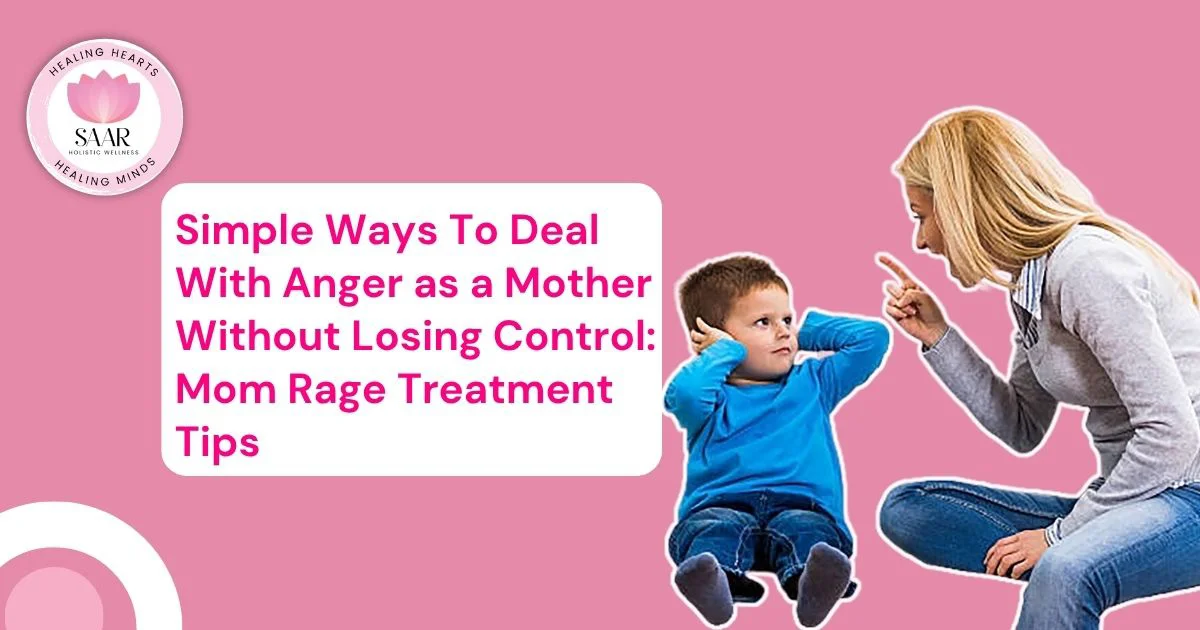
Motherhood is one of the most fulfilling yet demanding roles in life. It brings happiness, love, and also stressful days. Many mothers experience moments of intense anger, often referred to as “mom rage.” Understanding how to manage this anger is crucial for both personal well-being and family harmony. If you’re a mother who finds herself shouting over small things or snapping without meaning to, you’re not alone. Many moms go through this emotional storm but hesitate to talk about it because of guilt or fear of judgement. But, the best part is there are healthy, simple ways to cope.
This article will gently guide you on how moms can manage anger in daily life, when it’s time to seek support, and what mom rage treatment options are available today especially for working mothers balancing family expectations and cultural pressures.
Understanding Mom Rage: What Is It, Really?
Coping with mom rage is not an official medical diagnosis, but it’s a real emotional response many mothers experience. It feels like a sudden surge of intense anger, irritation, or even helplessness triggered by the everyday demands of parenting.
Renowned child psychologist Dr. Laura Markham describes mom rage as “an emotional overflow caused by chronic stress, unmet emotional needs, and a lack of personal time or space.” Often, mothers keep piling responsibilities on themselves without a break, and eventually, the built up stress finds a way out usually through anger.
Why Does Mom Rage Happen?
There’s no single cause behind mom rage, but several contributing factors make mothers vulnerable to this emotional state:
- Sleep Deprivation: Lack of proper rest weakens your ability to manage emotions.
- Hormonal Fluctuations: Postpartum hormonal changes and monthly cycles can affect mood.
- Unrealistic Expectations: Social media often showcases perfect parenting moments, making mothers feel inadequate or pressured.
- Emotional Overload: Constant multitasking without mental breaks leads to burnout.
- Cultural Pressures: Especially for Indian mothers, expectations from extended family, traditional norms, and balancing modern life can become overwhelming.
According to a study by the American Psychological Association (APA), mothers are more likely to experience emotional exhaustion than fathers, as they’re expected to take on the role of primary caregivers while managing household and professional responsibilities.
How to manage anger as a mother? Practical, Healthy Ways
If you’re wondering how to stop yourself from shouting or feeling irritated all the time, here are simple, effective strategies you can start using today:
- Be Aware of Your Emotions: The first step is to recognize your feelings. Understand when you’re stressed, upset, or tired instead of brushing it aside.
- Take a Pause Before Reacting: When you sense anger rising, step away for a minute. Take a deep breath, splash water on your face, or count to ten. This short pause can prevent situations from escalating. Dr. Sheryl Ziegler, author of Mommy Burnout, advises moms to create a personal calming activity for such moments. It can be as simple as reading your favorite book, taking a few deep breaths, or listening to relaxing music.
- Practice Deep Breathing or Grounding Techniques: Close your eyes, inhale deeply through your nose for four counts, hold for four, and slowly exhale through your mouth for six counts. Repeat 5-7 times. Grounding exercises like focusing on the feel of your feet on the floor or touching a cold object can also help shift your attention.
- Seek Parenting Help for Indian Mothers: Indian mothers often carry an invisible weight of cultural responsibilities managing joint families, pleasing relatives, and maintaining household harmony. Seeking parenting help for Indian mothers through local support groups, online counseling, or parenting workshops can make a meaningful difference.
- Consider Mom Rage Treatment Options: If anger feels unmanageable or starts affecting your relationship with your children or partner, it may be time to explore professional mom rage treatment. Options include like Talk Therapy or Counseling, A licensed therapist can help identify anger triggers and suggest coping tools, Anger Management Workshops, These programs offer techniques to manage intense emotions constructively, Stress-Reduction Techniques, Yoga, meditation, or mindful journaling can help regulate emotions, Mom Rage Medication.
- Practice Daily Gratitude: Every night, write down three things you’re thankful for. This easy habit helps shift your focus from stress to the happy moments of your day and brings peace to your mind.
When to Seek Professional Help?
If your anger:
- Leads to frequent emotional outbursts
- Causes feelings of guilt, shame, or withdrawal
- Affects your bond with your children
- Makes you feel emotionally overwhelmed
It’s wise to consult a psychologist or mental health counselor. When you ignore how you feel, it can slowly impact your mental health and disturb the happiness of your family.
Final Thoughts
Remember, feeling stressed or upset doesn’t make you a bad mom, it just means you’re human, and it’s completely normal to feel this way sometimes. The important thing is to address these emotions in healthy, constructive ways. With simple coping tools, emotional awareness, and professional parenting help for Indian mothers, it’s absolutely possible to manage your anger issues without losing control.
You deserve support, care, and peace as much as anyone else in your family.


