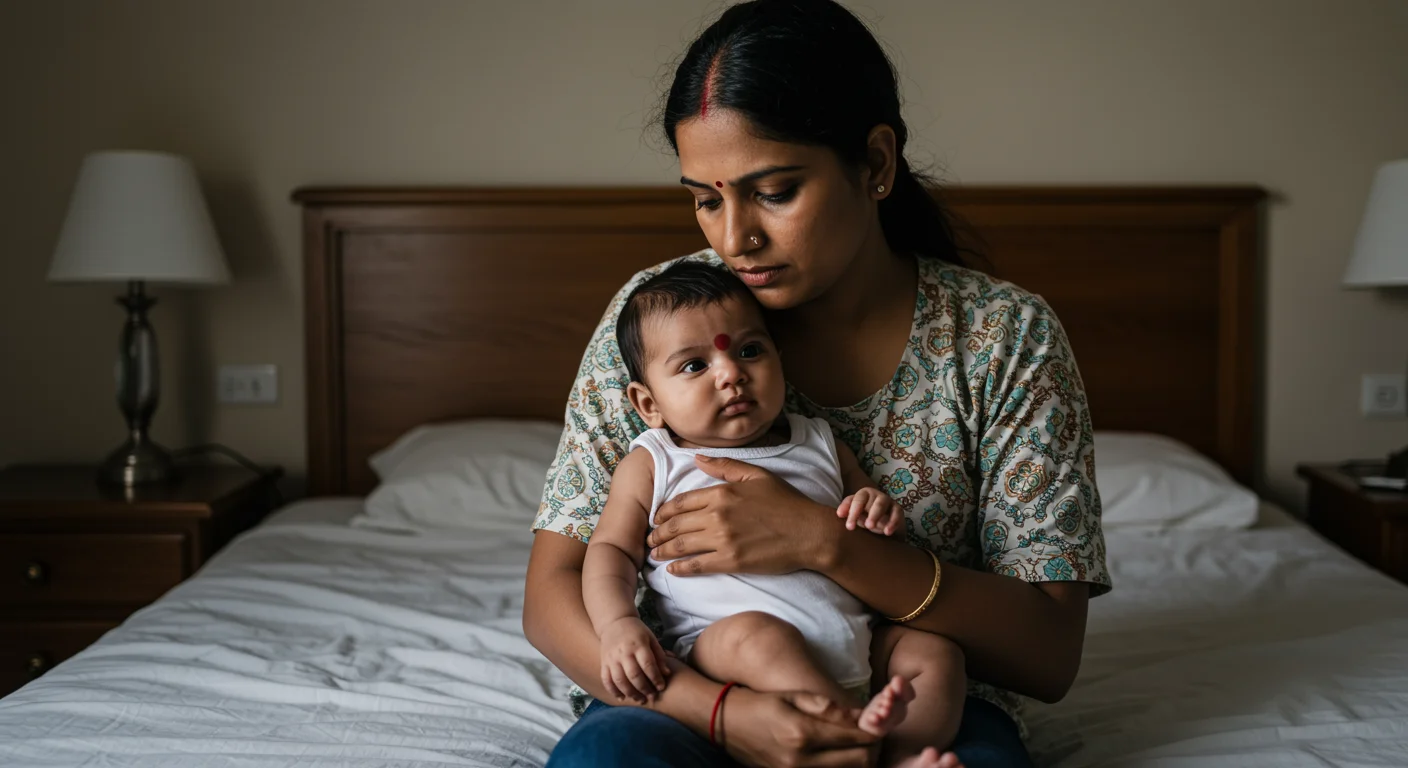
The birth of a child is celebrated as one of the happiest moments in a woman’s life. In India, mothers are often revered as the backbone of the family, expected to nurture, sacrifice, and smile through the toughest days. But behind the joy, many mothers silently suffer from postpartum depression (PPD)—a condition rarely discussed in Indian households.
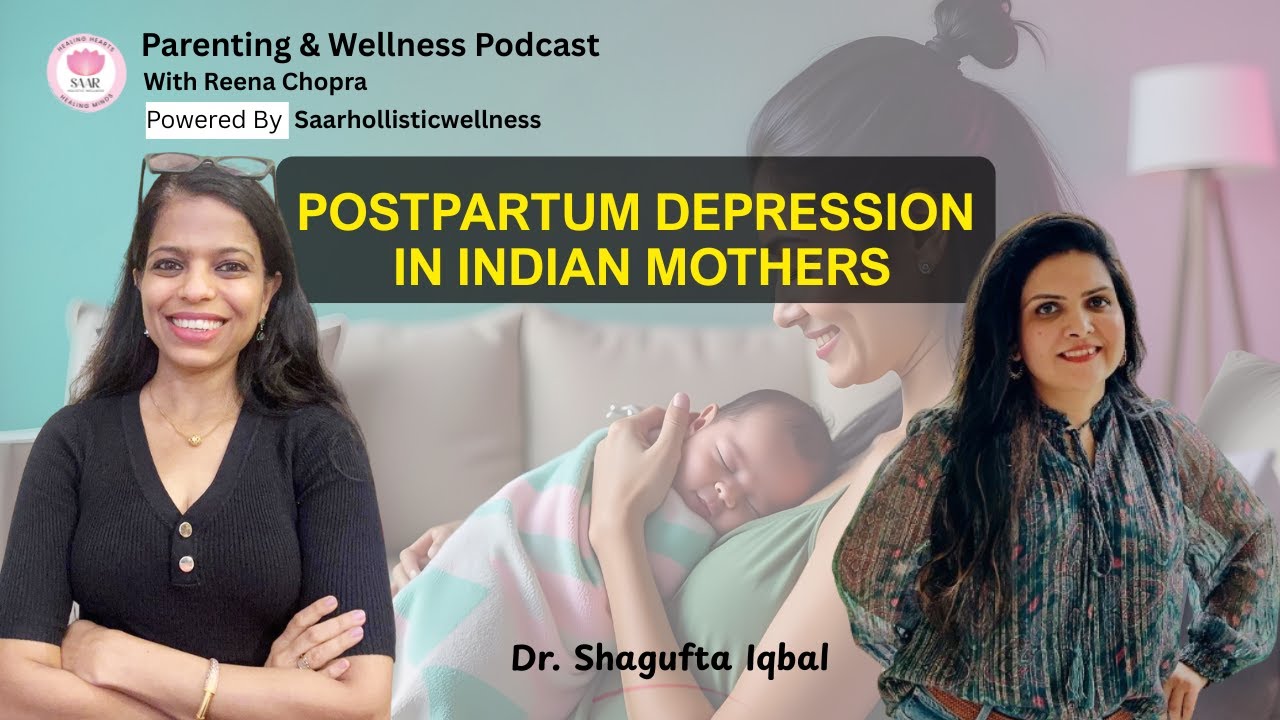
This blog uncovers the realities of postpartum depression in Indian mothers: symptoms, cultural stigma, risk factors, and practical ways families and society can support new mothers.
What is Postpartum Depression?
Postpartum depression is a clinical mental health condition that occurs after childbirth, usually within the first year. Unlike the short-lived “baby blues,” PPD is more severe and persistent.
- Baby blues: Lasts 1–2 weeks, with mood swings, crying spells, and fatigue.
- Postpartum depression: Lasts weeks to months, with deep sadness, hopelessness, anxiety, and withdrawal.
In India, it is estimated that 1 in 5 new mothers experience postpartum depression—but many go undiagnosed due to lack of awareness.

Signs & Symptoms of Postpartum Depression
- Persistent sadness, frequent crying without reason
- Extreme fatigue or insomnia (even when the baby sleeps)
- Irritability, anger, or mood swings
- Feeling detached from the baby or difficulty bonding
- Loss of appetite or overeating
- Low self-worth, guilt, or shame about being a “bad mother”
- Thoughts of harming self or baby (in severe cases)
Risk Factors in Indian Context
- Cultural pressures: Mothers are expected to “bounce back” quickly.
- Lack of partner support: Fathers are rarely included in the caregiving conversation.
- Joint family dynamics: Interference, criticism, or lack of privacy can worsen stress.
- Economic stress: Medical costs, job loss during maternity, and financial insecurity.
- Gender bias: Preference for male children in some families creates additional stress if a girl is born.
- Unaddressed mental health stigma: Many women fear being labelled as “weak” or “mentally unstable.”
Why Postpartum Depression Often Goes Untreated in India
- Silence culture: Mothers hesitate to speak about negative emotions, fearing judgment.
- Religious or traditional beliefs: Families may dismiss symptoms as “evil eye” or “karma.”
- Limited awareness among doctors: Gynecologists may not screen for mental health regularly.
- Lack of resources: Rural areas have limited access to psychologists or psychiatrists.
Impact on Mothers, Babies & Families
- For mothers: Chronic depression, anxiety disorders, marital strain, social isolation.
- For babies: Developmental delays, feeding issues, and difficulty bonding with the mother.
- For families: Emotional tension, misunderstandings, and intergenerational stress.

Breaking the Myths Around PPD in India
| Myth | Reality |
|---|---|
| “Good mothers don’t feel sad after childbirth.” | Even the strongest mothers can face PPD; it’s medical, not moral. |
| “It’s just a phase—ignore it.” | PPD requires medical attention and therapy; ignoring worsens it. |
| “Only weak women get depressed.” | PPD can affect any mother, regardless of strength or education. |
| “Medication is unsafe during breastfeeding.” | Doctors prescribe safe options; therapy is also effective. |
How Families Can Support New Mothers
- Listen without judgment – Allow her to express feelings freely.
- Share responsibilities – Partners should actively help with baby care.
- Ensure rest – Create a schedule so the mother gets enough sleep.
- Encourage professional help – Therapy or counselling is not taboo.
- Offer affirmation – Remind her she’s not alone and not a “bad mother.”
Treatment Options in India
- Counselling & therapy – Cognitive-behavioral therapy (CBT) helps in emotional regulation.
- Medication (if needed) – Prescribed antidepressants that are safe for breastfeeding.
- Support groups – Community or online mom circles offering solidarity.
- Lifestyle practices – Yoga, meditation, balanced diet, and light exercise.

Role of Society & Healthcare
- Hospitals must include mental health screening in postpartum care.
- Government awareness campaigns to normalize maternal mental health.
- Workplace flexibility for mothers returning to jobs.
- NGOs and community centers offering counselling in local languages.
Conclusion
Postpartum depression in Indian mothers is real, widespread, and deeply misunderstood. By breaking the silence, offering compassion, and ensuring access to professional help, we can transform motherhood into a healthier, more joyful experience.
Supporting mothers means supporting families, and ultimately, supporting the nation.
Many Indian mothers silently suffer after childbirth, but support systems are often missing. Professional help such as parenting counselling can guide families to understand the condition better and reduce stigma. For parents who want structured learning, our certified parenting coach program provides practical tools to handle postpartum challenges with confidence. At the same time, organizations like NIMHANS India emphasize that maternal mental health must be treated as seriously as physical health, showing how timely intervention can improve outcomes for both mother and child.